Carbon Sequestration

Sequestering carbon in trees is the most effective way to combat climate change. African trees hold particularly great potential.

The Atmosmare Foundation still considers carbon sequestration in trees grown to large sizes to be the cheapest and most cost-effective way to remove carbon from the atmosphere. However, carbon sequestration in growing trees has become more difficult in many parts of the world due to the warming that has already occurred.

Forests in many northern countries have turned from carbon sinks into sources of carbon emissions due to destructive insects, more intense storms, and forest fires. Half of the Amazon rainforest also appears to have become a source of carbon emissions due to severe drying in the region.
In the current situation, the African continent may have clearly the broadest opportunities to sequester carbon dioxide in trees grown to larger sizes.

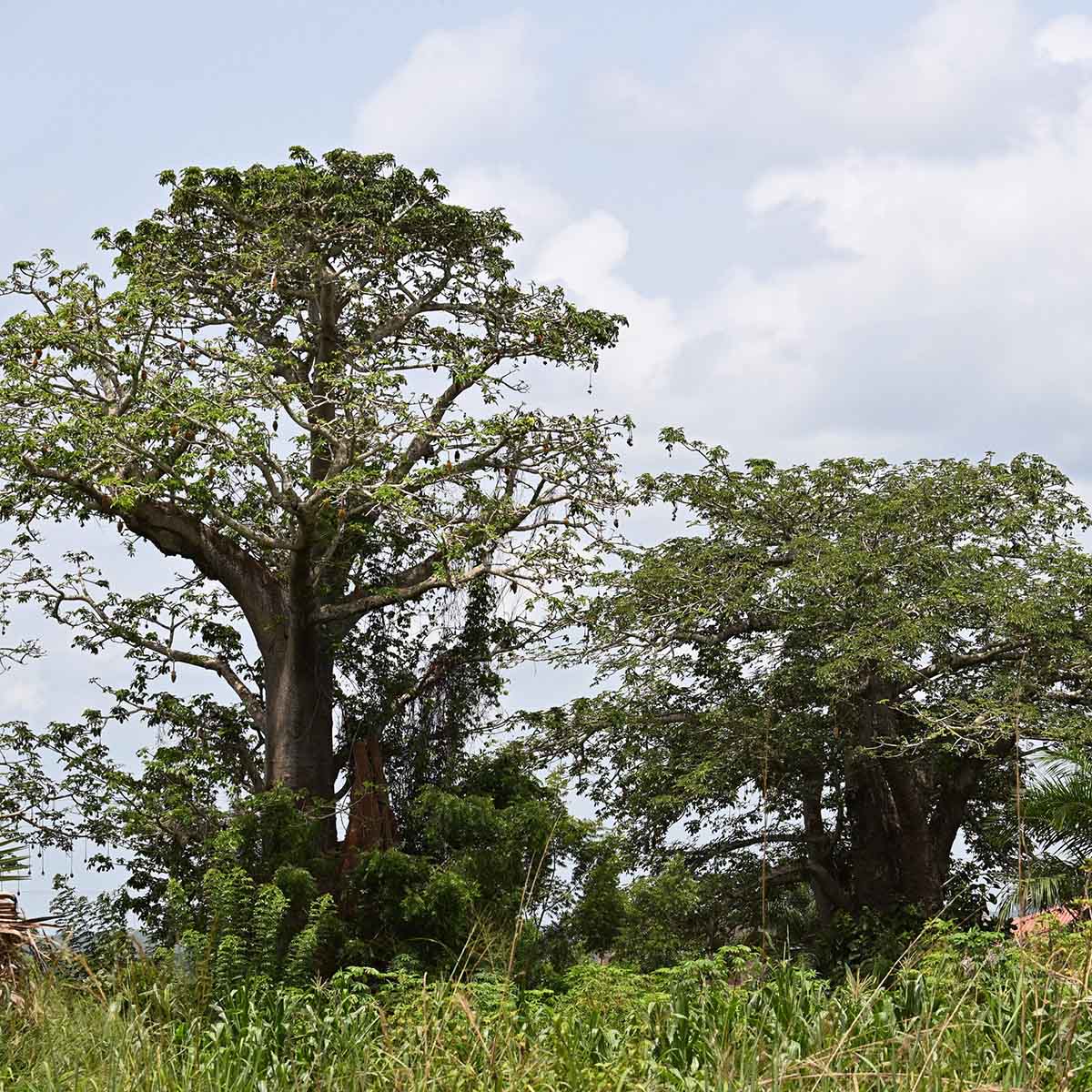
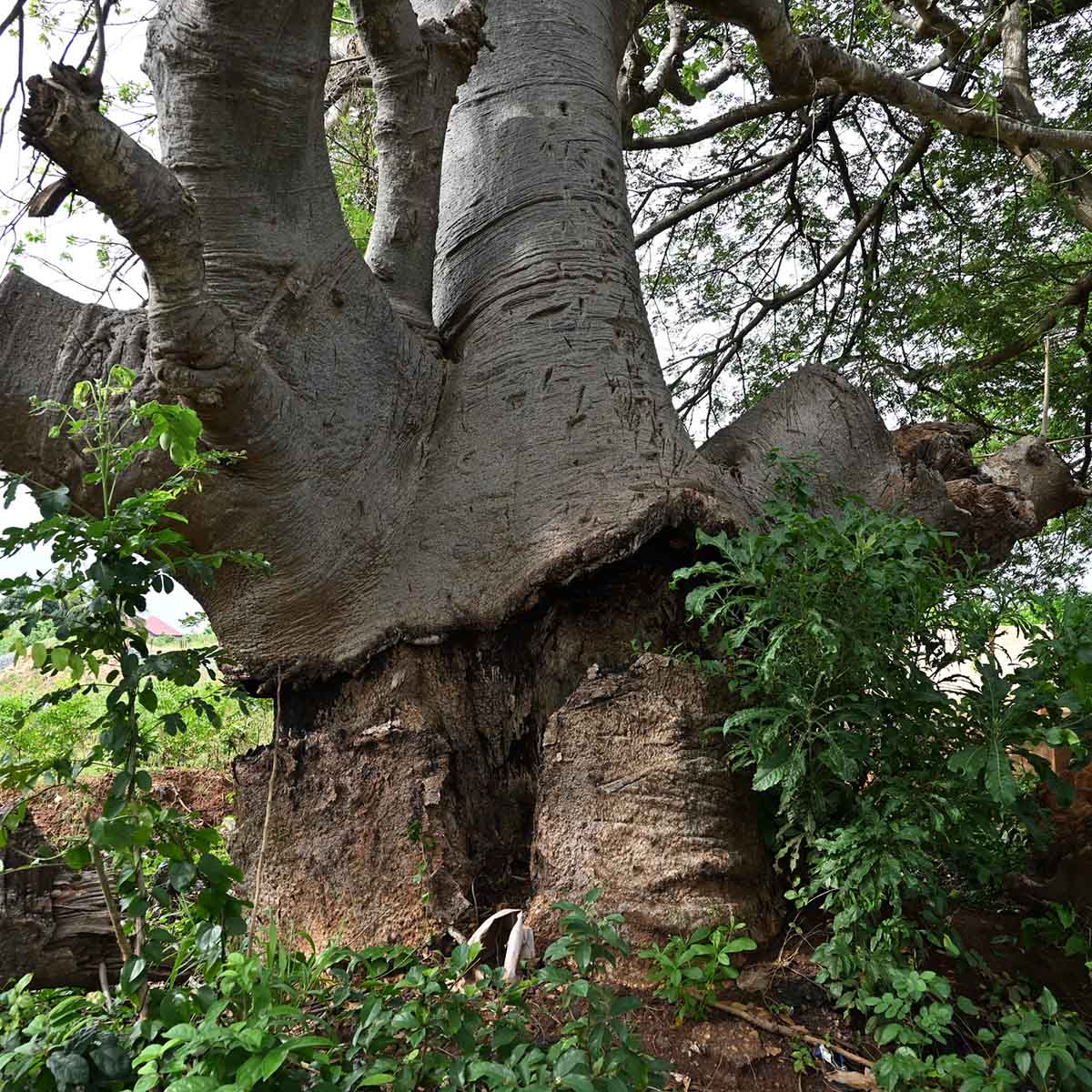
Certain African tree species, such as baobab (Adansonia digitata) and marula (Sclerocarya spp), can grow into very large and thick trees in dry areas where nothing else thrives well. They cannot burn in forest fires, and they are highly resistant to insects and storms. Above all, both trees produce large quantities of nutritious food and are therefore among the most popular trees wherever they grow.

Avocado is often called the world’s most nutritious fruit, but the nutritional value of baobab fruits is twice as high. It is possible to make flour from dried baobab fruits, which can be added to numerous different dishes and foodstuffs, and which, among other things, has a strong blood pressure-lowering effect. This is important, as hypertension still causes over nine million premature deaths annually.

In Botswana, a baobab typically grows to about three meters in 70 years – and this refers to a tree three meters thick, not three meters tall. The largest trees measured during the colonial era were 18 meters thick.

However, the number of baobabs in nature has continuously decreased because people do not plant new trees to replace dying old ones. Farmers have not been enthusiastic about cultivating baobabs because planted seeds might germinate after 20 or 30 years – or not at all. Furthermore, seedlings grown from seeds have typically started producing fruit only after 15–30 years – or not at all. A fruit-producing medium-sized tree might have produced hundreds of kilograms of nutritious fruit annually – or only a few kilograms.

Photo: Esko Pettay

Photo: Esko Pettay

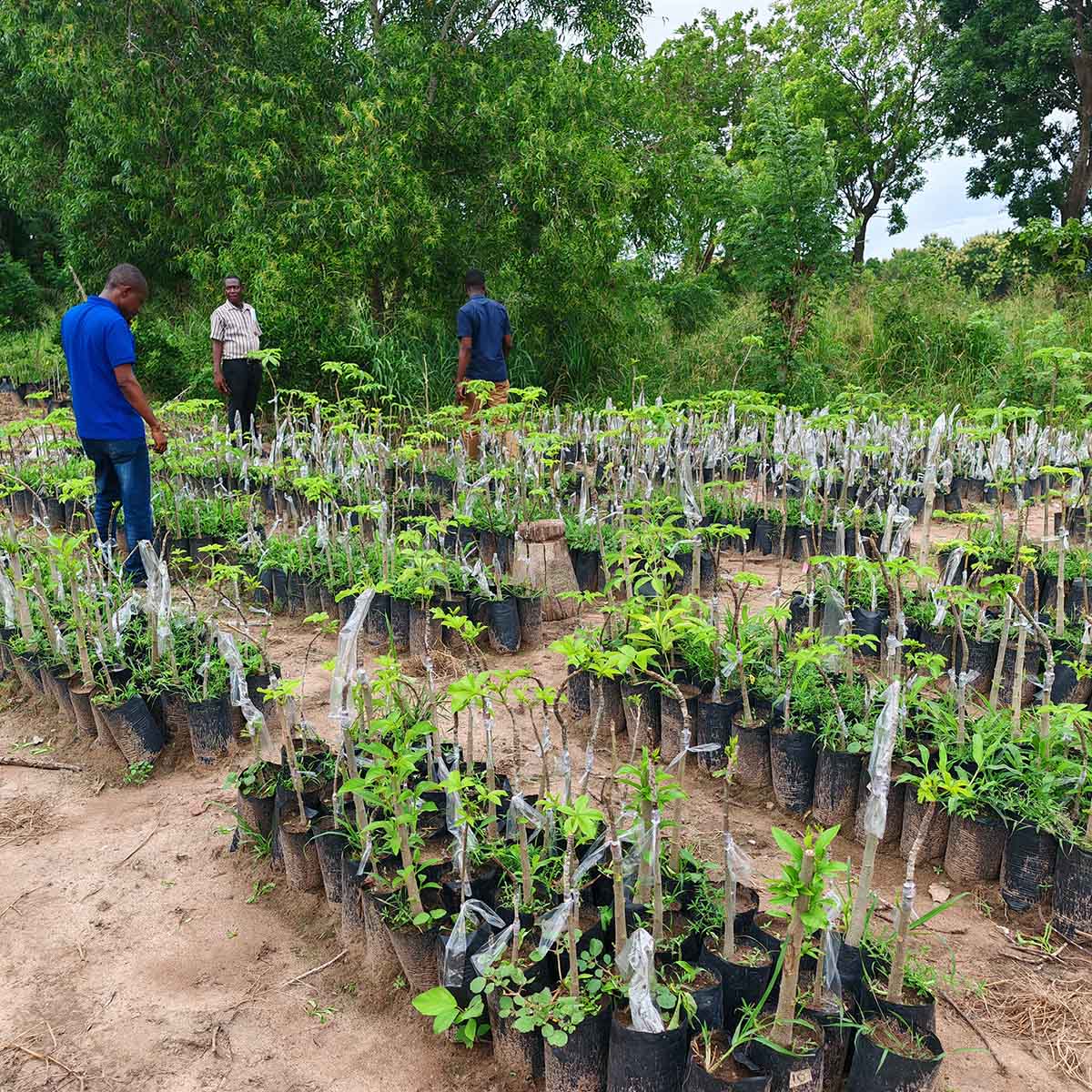
A research group at Ho Technical University in Ghana has now decided to change all of this. The researchers have developed methods by which baobab seeds can be germinated immediately and seedlings can produce fruit as early as 1–2 years of age. In addition, the researchers have identified varieties or strains that produce large per-tree fruit yields.

The dream of the Ghanaian researchers is to make baobab an important new crop in dozens of African countries and potentially also in dry areas of other continents. Baobab grows large and thrives well even in areas where rainfall is only about 200 millimeters per year, which is very little in tropical conditions.

Atmosmare has funded a project which established the world’s first baobab cultivation pilot farm in Ghana. Atmosmare, Into, and the Baorula network have jointly produced the work Baobab & Marula – New Solutions to Global Warming and Food Security (2025), which compiles the latest research data related to baobab and marula.

Atmosmare is also preparing to start a baobab cultivation trial in Namibia. In Ghana, it funds the first baobab cultivation course ever taught in Ghana, whose target group consists of researchers and technicians from other African countries. Also forthcoming is a guide to baobab cultivation, implemented with the Baorula network and Into, as well as a book that aims to promote the emergence of trade in carbon sequestration services and the laws regulating it on the African continent.

The cultivation of baobab and marula could remove large quantities of carbon dioxide from the atmosphere, improve food security in African countries, and combat environmental damage caused by current forms of agriculture and animal husbandry.

photo: Esko Pettay