
The importance of oceans for life on Earth is crucial. Oceans are Earth’s most important carbon sink, as phytoplankton, through photosynthesis, utilizes one-third of the carbon dioxide dissolved in the sea. In addition, oceans produce half of the atmosphere’s oxygen and store 90 percent of the excess heat accumulated on Earth due to human activities.
Oceans
Atmosmare's goals are to strengthen marine carbon sinks and biodiversity, and to promote the implementation of UN High Seas Treaty.
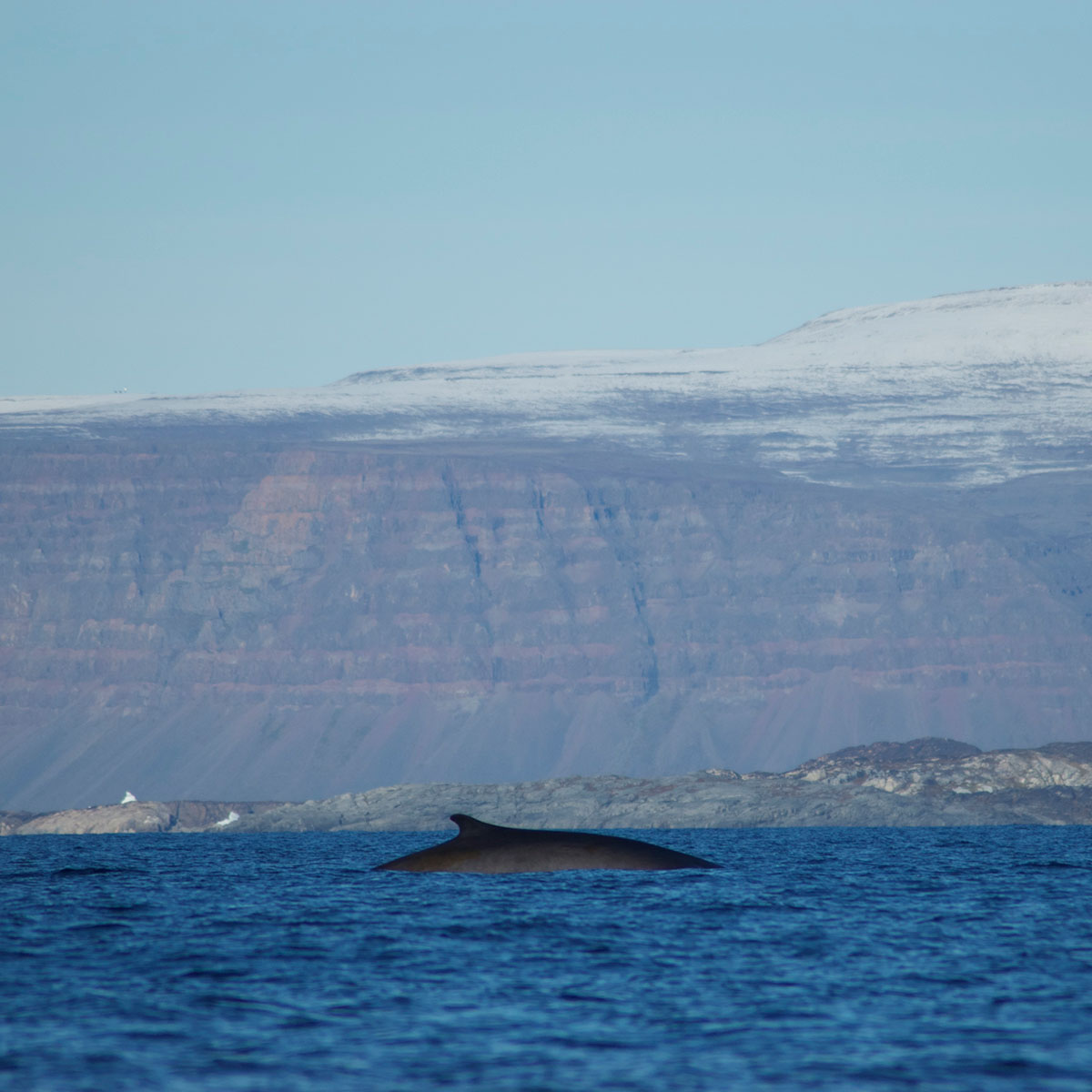
Photo: Jessica Haapkylä
Whale conservation strengthens marine carbon sinks
Whale conservation is essential not only for marine biodiversity but also because whales play a crucial role in strengthening marine carbon sinks. Nutrients contained in whale feces, such as nitrogen and phosphorus, as well as micronutrients like iron and molybdenum, strengthen phytoplankton blooms. Phytoplankton removes carbon dioxide from the atmosphere through photosynthesis. Upon dying, some phytoplankton sinks to the seabed, where it is stored in bottom sediments for centuries. The carcasses of dead whales also serve as a long-term and significant carbon store on the seabed.
Our goal is to participate in whale conservation and to investigate how climate change has altered the behavior of Earth’s largest animals, blue and fin whales, in the Azores, Portugal, Europe’s most significant whale region.
Seagrass meadows effectively sequester carbon
Seagrass meadows are found on all continents except Antarctica. They are biodiversity hotspots, important spawning grounds and nurseries for fish and invertebrates. Seagrasses bind and store carbon in their rhizomes, act as buffers against acidification, and filter sediment and pollutants from the water. The denser the rhizome networks formed by seagrasses, the more effective the carbon sink. Our goal is to maintain public discussion on the importance of seagrass meadows and to participate in seagrass restoration both in the Baltic Sea and off the coast of France, in the Mediterranean Sea.
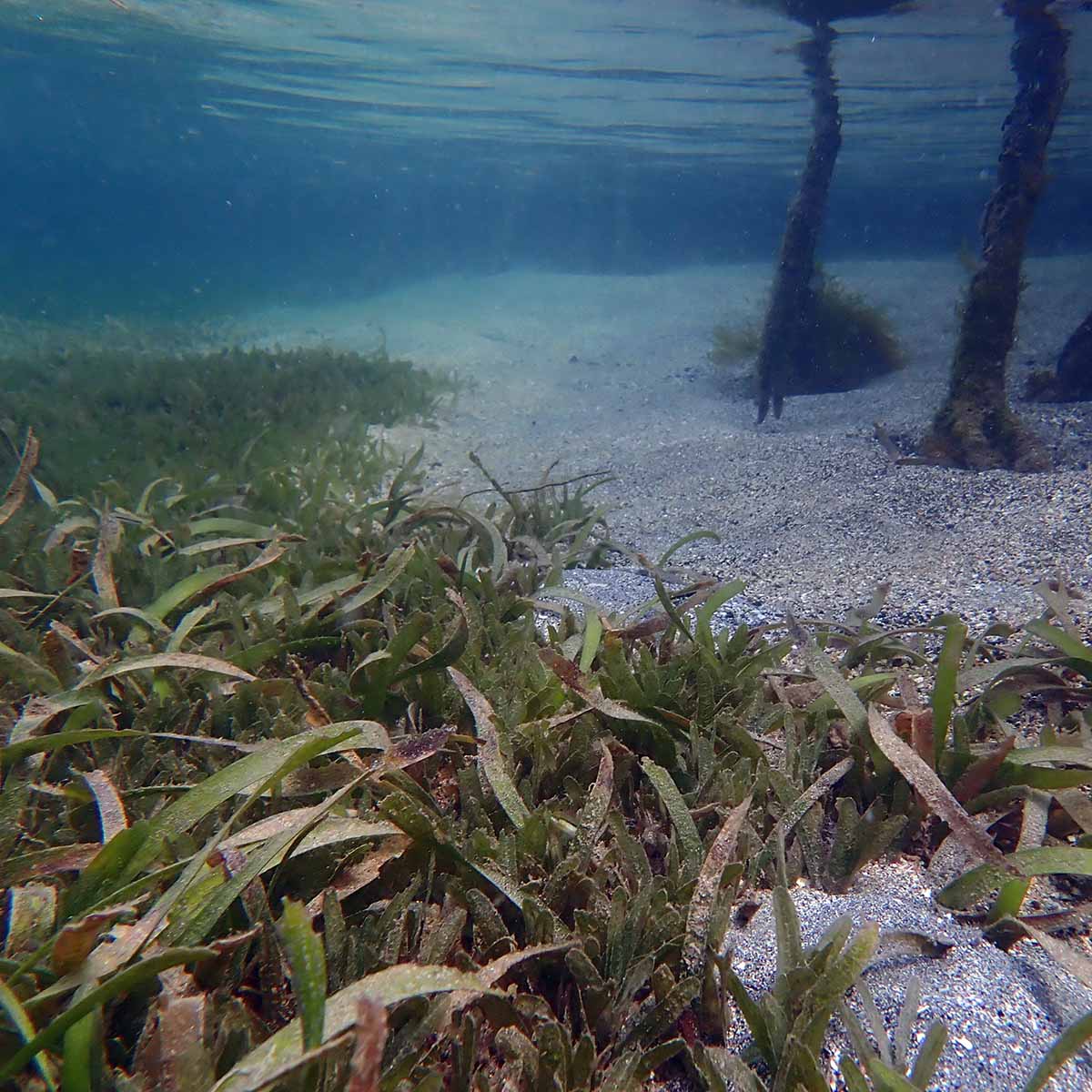
Photo: Jessica Haapkylä
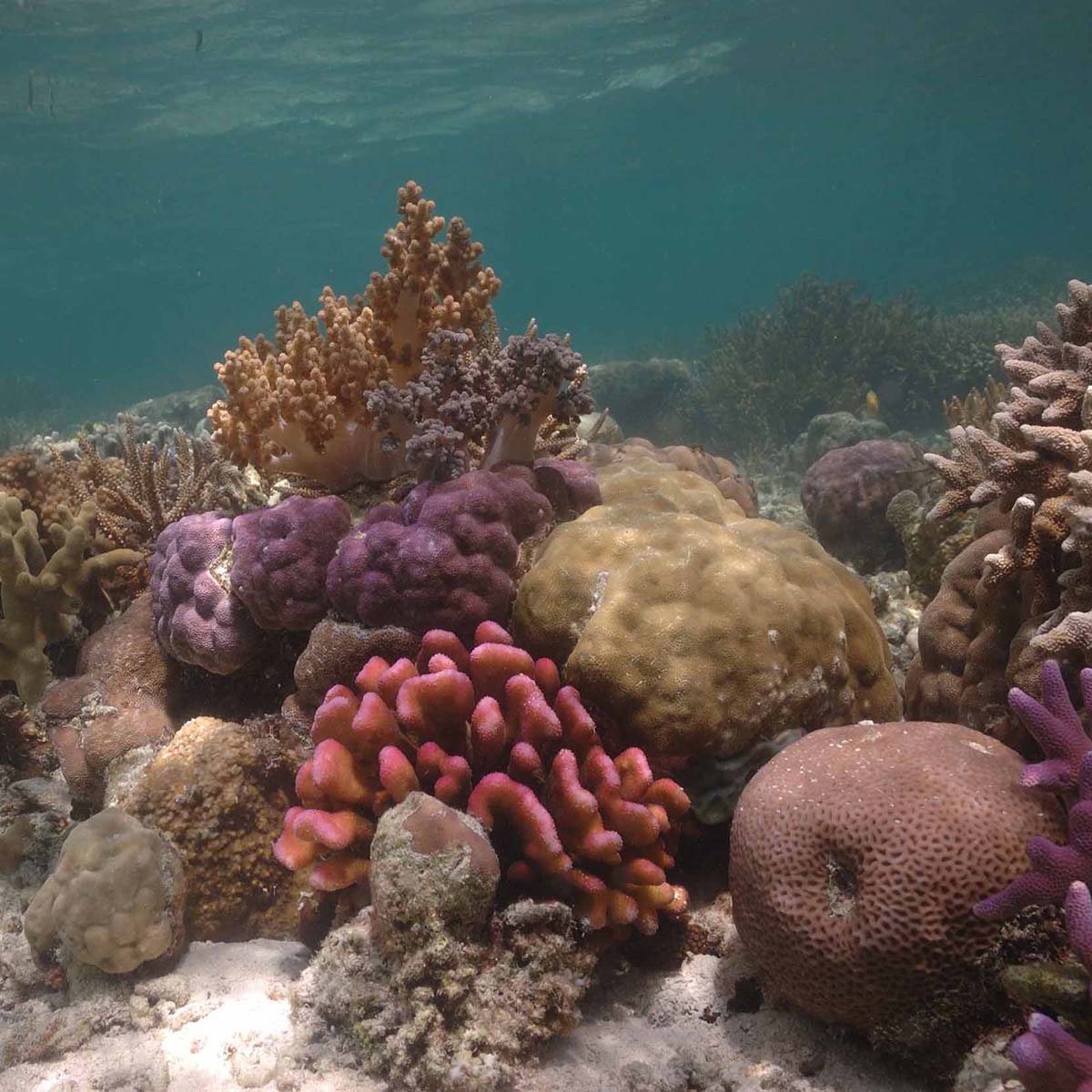
Photo: Mike Flavell
Coral Reefs – Pinnacles of Marine Biodiversity
Atmosmare is concerned about the approaching climate tipping points on Earth. A tipping point is a threshold, the crossing of which triggers self-reinforcing and often irreversible changes. The destruction of coral reefs is the first of six tipping points, and its attainment is already very close. Coral reefs are the pinnacle of marine biodiversity, estimated to host 25% of the world’s shallow water marine species. The food security of over 800 million people depends on coral reefs. Reefs protect coastlines from tsunami waves and enable a multi-billion dollar diving tourism industry. Currently, the situation for reefs is critical as recurring heatwaves and ocean acidification intensify. Our goal is to maintain public discussion on the importance and fate of coral reefs and to promote their protection.
Advancing the Ocean Treaty
Atmosmare is enthusiastic about the recent UN High Seas Treaty, which aims to protect 30 percent of humanity’s shared marine areas and to rationalize the management of the other 70 percent. By November 2025, 145 states will have signed the agreement. We have been involved in drafting a petition, the aim of which is to initiate a dialogue on the implementation of marine conservation with the EU and Countries of the Global South.
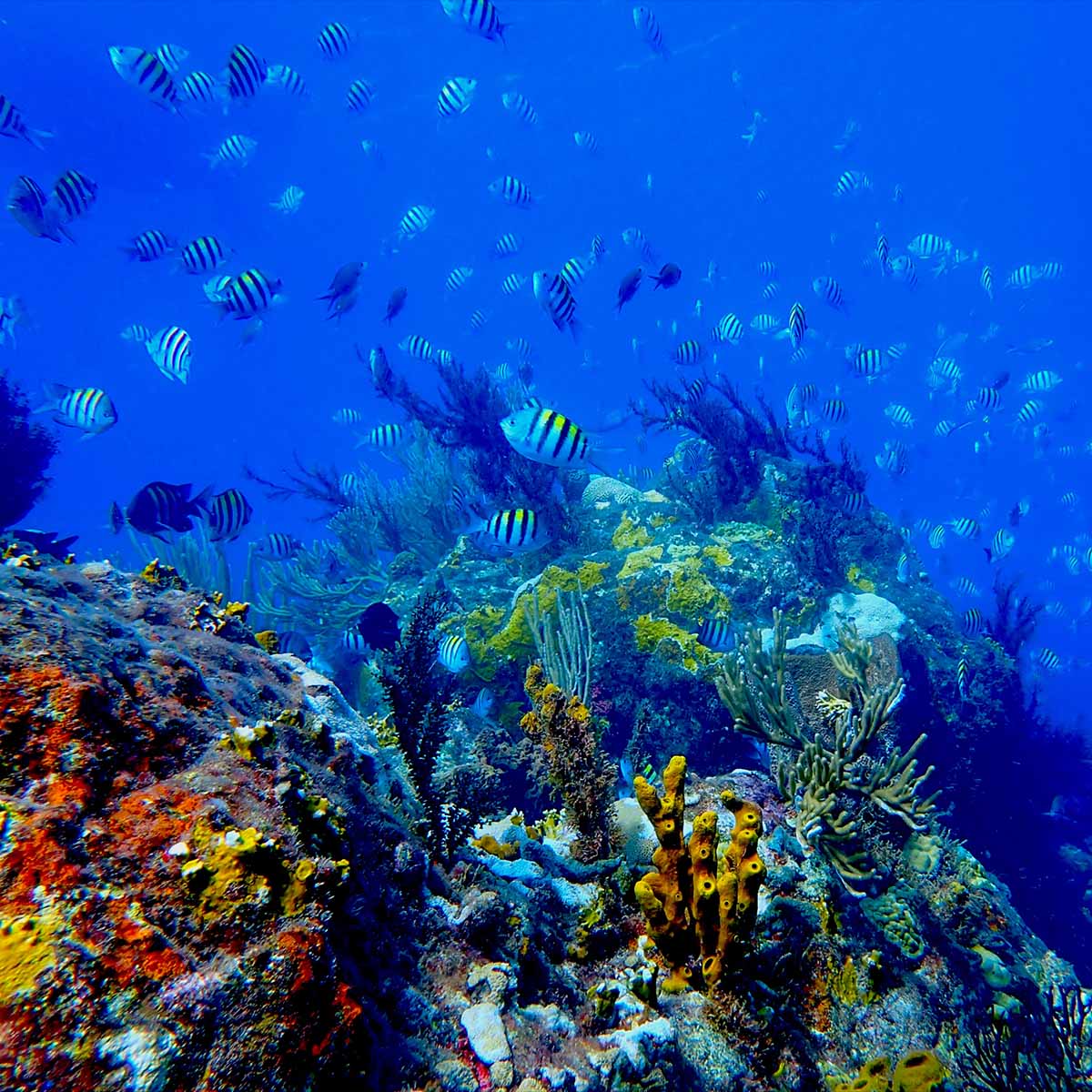
Photo: Jessica Haapkylä

